Based off of a book I read last week, A Crack In the Sea, I wrote a persona poem from the perspective of Pip, one of the main characters. Pip is the brother of Kinchen, who lives on the Island. The Raft King takes him to Raftworld, where he convinces him to chat with the fish in search of the portal to the First World. Pip has never really been away from Kinchen before. The poem I wrote reads:
I am gifted and confused.
I lived on the island, but I think I’ll stay in Raftworld, where we float on top of the water.
I wonder why I can’t remember faces.
I hear Kinchen “coming to my rescue”.
I see a bunch of people I don’t recognize.
I want to be independent.
I am as curious as a cat.
I am gifted, confused, curious, and young.
I question the Raft King and his intentions for looking for the First World.
I feel suspicious.
I taste water.
I worry that the Raft King will take his people to the First World without their consent.
I excel at talking to fish.
I understand that I was brought to Raftworld to find the portal.
I am gifted, confused, worried, and suspicious.
I say the Raft King is selfish.
I believe his people should get to vote.
I dream I will make a difference.
I try to speak up.
I hope it helps.
I was once afraid;
But now I am more confident.
I am Pip.
Books such as this one, and Freedom Over Me: Eleven Slaves, Their Lives and Dreams Brought To Life, are great books to use to write persona poems. Their characters are explained and described in detail that would allow for students to think about their individual points of view. The goal of the persona poem is to think about point of view. For more information about persona poems and how to use them click here: https://www.writersdigest.com/whats-new/the-many-faces-of-persona-poems
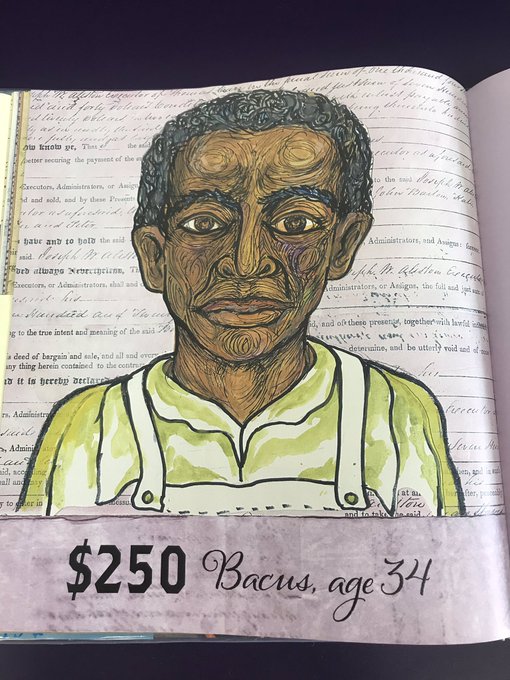
Freedom Over Me is a picture book that has won the Coretta Scott King Award three times. Ashley Bryan found some old slave documents in his possession, and he used them to write this book, more specifically, he used the Fairchilds’ Appraisement document from 1828.
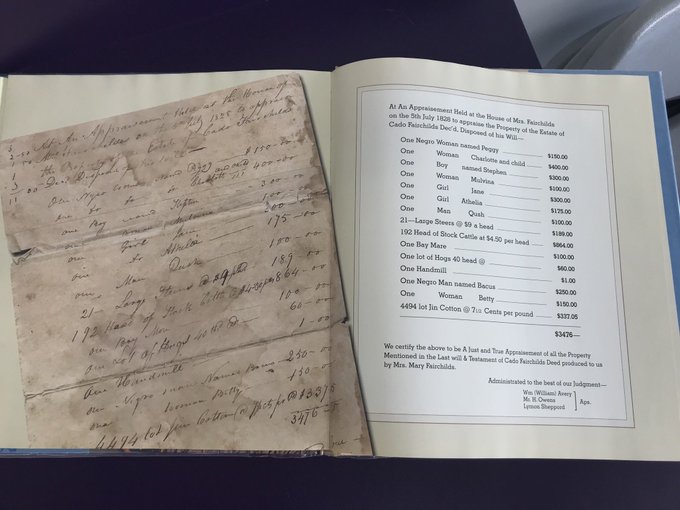
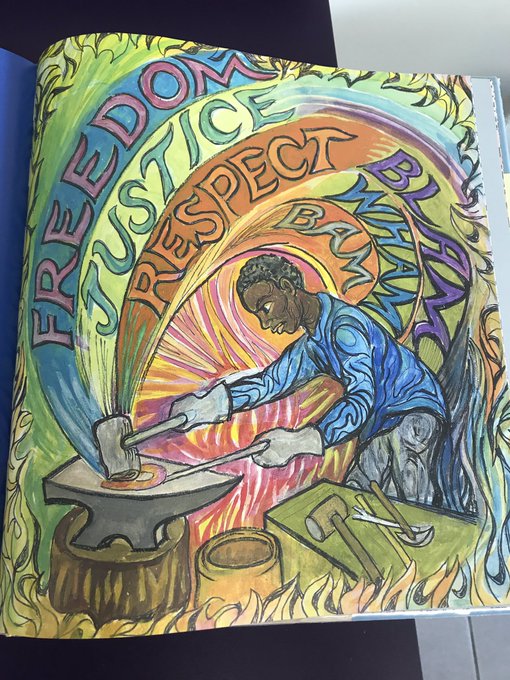
On the document, eleven slaves were listed for sale. He wrote about each individual slave in a way that allowed to “tell their stories”. One page shows a headshot of the slave, their listed “value”, and a description of their duties and relationships to some other slaves. On the page following, Bryan writes about their dreams and showcases a picture that is generally more colorful and happy than the headshot on the previous page. Since the author provides background details, and the character’s dreams, this book would be a good book to write persona poems from with your class. There are eleven different characters to write about.
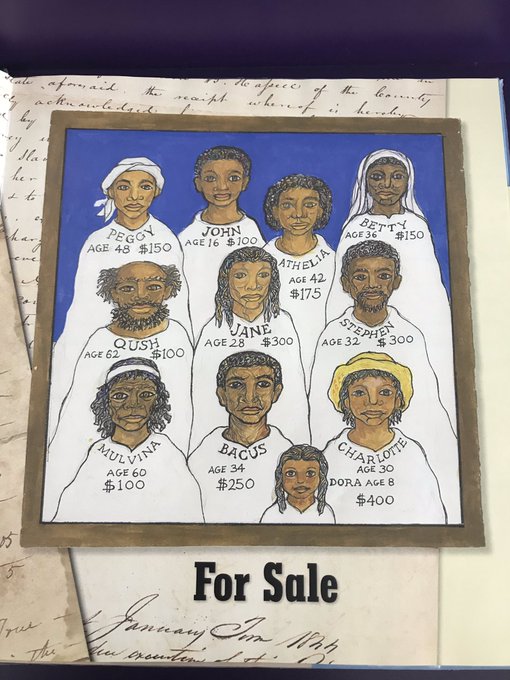
This book is great because it doesn’t simply say, “there were slaves and they were worth this much and slavery is bad.” Bryan gave each slave a voice, a background story, and a description of their hopes and dreams.
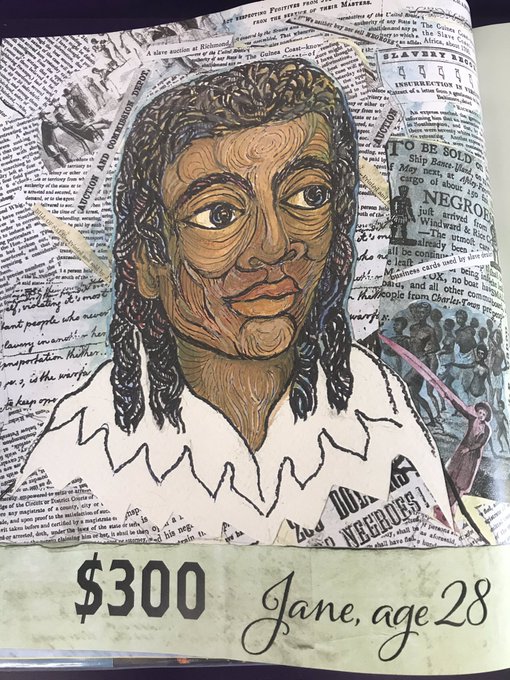
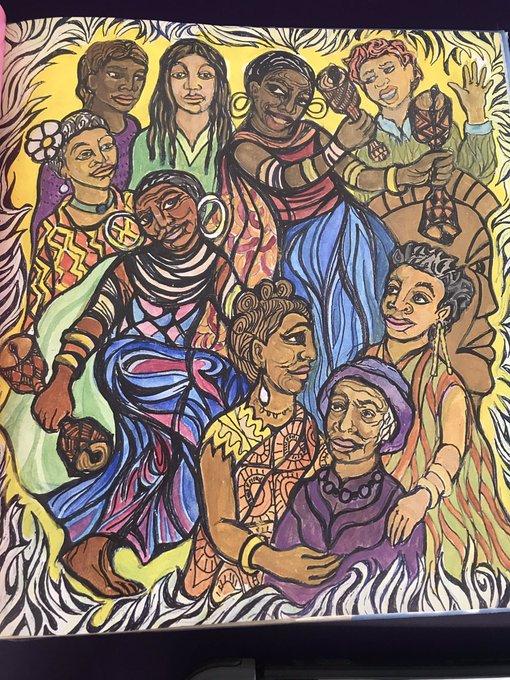
For example: Below, this is Bacus. He is 34 years old and was appraised at $250. In his background story, it says he has a wife and a daughter. He was apprenticed to a blacksmith and he makes metal objects and parts for the Fairchilds’ estate. He is afraid of being separated from his wife and child since they are being appraised. The following page tells of how he used his work as an outlet. With every pound of his hammer, he is ridding himself of anger. He wants justice, respect, and freedom.
This book shows the slaves as not just slaves. Slavery was more complex than our textbooks sometimes make it seem. This book shows slaves as people; people with feelings and dreams.
Bryan, A. (2016). Freedom Over Me: 11 Slaves, Their Lives and Dreams Brought to Life. New York, NY: Simon & Schuster.
In “Discussing Racial Trauma Using Visual Thinking Strategies”, Gardner talks of how art and storytelling can serve as tools to teach about racism. Additionally, how they can serve as a form of healing for racially diverse people within the school setting (Gardner, 2017). This is yet another reason to have this book in your classroom library. This book is a clear example of racism, and, in addition to teaching about racism, this book can serve as a healing tool for some of your students. Through the writing of persona poems, based off of this book, students can start a healing process, and one that you, as a teacher, have the power to foster.
Bryan’s book allows the opportunity for students to ask questions and express emotions, which can prevent students from feeling a crisis in their identity (Garner, 2017). Your classroom can have great discussions centered around this book, just make sure you have had conversations about respect and tolerance first.
Garner, R. (2017). Discussing Racial Trauma Using Visual Thinking Strategies. Language Arts, Volume 94 (issue 5), pp. 338-345.
 Children's Literature Blog